Tree Trimming & Pruning
in Waterbury, CT
Whether your trees have grown too close to the house, need some deadwood cleaned out, or just haven’t been touched in a few years, we can help. We serve Waterbury and the surrounding area with professional tree trimming and pruning — done right, priced fairly, and scheduled around your life.
Get a Free EstimateGet a Free Tree Trimming Estimate
Tell us about your trees and we’ll get back to you with a straightforward price — no obligation.
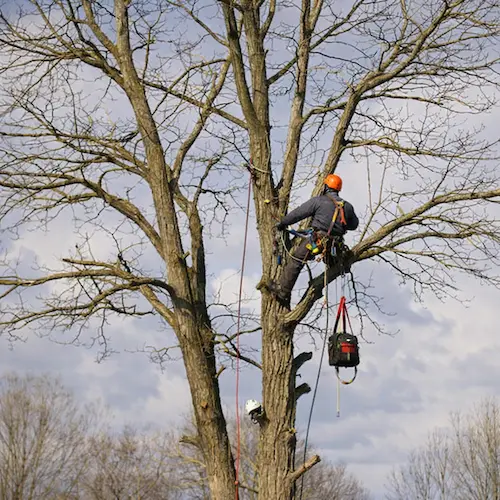
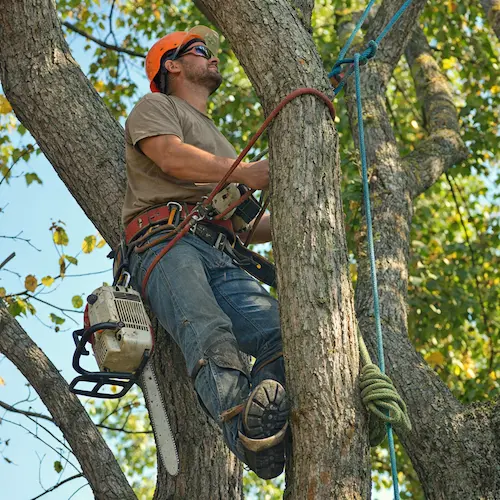
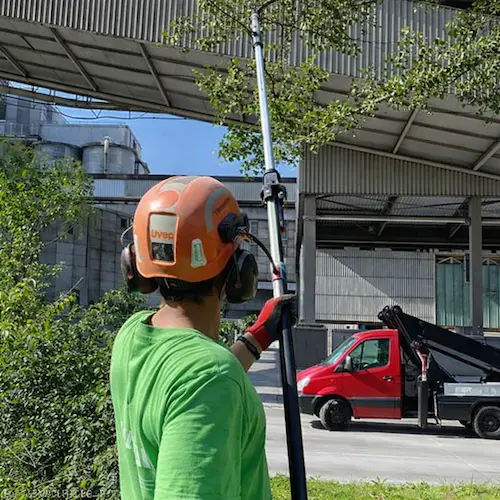
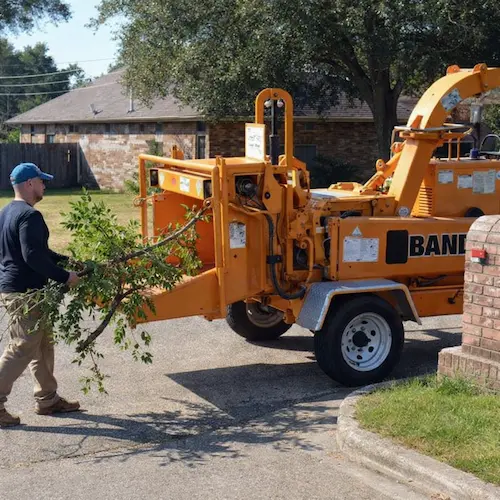
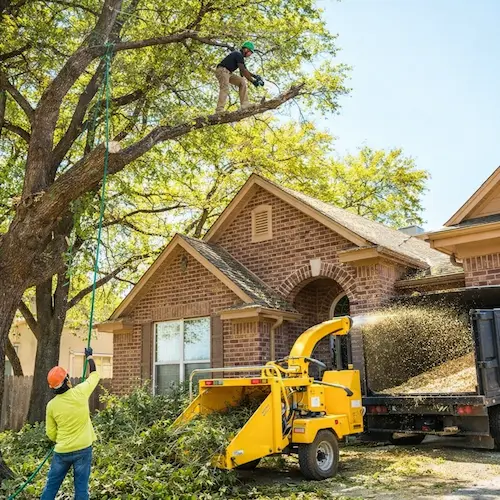
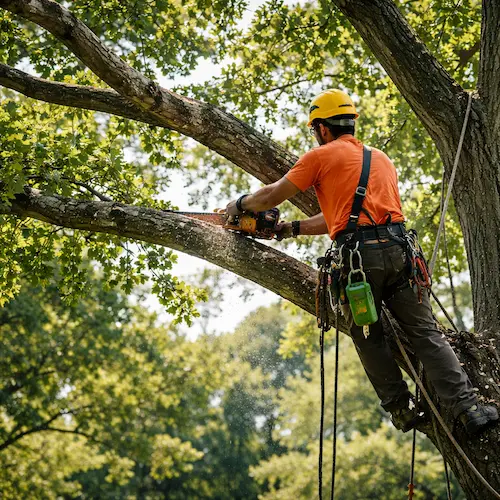
There’s More to It Than Just Cutting Branches
A lot of homeowners think of tree trimming as something you do when a branch is bothering you or hanging too close to the house. That’s a fair reason to call — but good trimming and pruning work goes well beyond that. Done properly, it shapes how a tree grows, removes the parts of it that are most likely to cause problems, and genuinely makes the tree healthier over time.
Tree trimming is typically focused on removing branches for practical reasons — clearing away limbs that are rubbing against your roof, crowding power lines, blocking light to your yard, or just making the tree look overgrown and out of place. Pruning gets into the biology a bit more: it’s about removing dead, diseased, or structurally weak wood in a way that redirects the tree’s energy and encourages stronger, better-shaped growth. In practice, most jobs involve a mix of both.
What matters most is that cuts are made in the right place, at the right time, with the right technique. That’s what separates a clean, healthy result from one that leaves the tree stressed or more susceptible to disease. Our crew has been doing this work in Waterbury for over 15 years — we know which cuts to make and, just as importantly, which ones to leave alone.
- Dead and diseased wood removed before it becomes a hazard
- Branches cleared from rooflines, gutters, and windows
- Crown shaped and thinned for better light and airflow
- All debris chipped and cleared before we leave
Assessment
We walk the property, look at your trees, and talk through what needs to come off and why. You’ll know the plan before any cutting starts.
Safe Removal
We use the right equipment for the job — whether that means working from the ground, climbing, or bringing in a lift for larger trees near structures.
Precision Cuts
Every cut is made at the right collar point to seal properly and discourage disease. No stubs, no flush cuts that damage the trunk.
Full Cleanup
Branches go through the chipper, debris gets raked, and your yard is left tidy. Cleanup is part of every job, not an add-on.
Tree Trimming & Pruning Services We Provide
Every tree and every property is a little different. Here’s a look at the types of trimming and pruning work we handle regularly for Waterbury homeowners and property owners throughout New Haven County.
Crown Thinning & Lifting
Thinning the interior of a tree’s canopy improves airflow and lets more light through to your lawn and garden below. Crown lifting — removing the lowest branches — opens up space beneath the tree and makes it easier to mow, walk under, or see across your yard. Both are standard parts of a healthy trimming routine, and together they make a tree look intentional rather than overgrown.
Clearance Trimming
Branches that overhang your roof, rub against siding, crowd gutters, or grow close to power lines need to come back before they cause real damage. We trim for clearance regularly in Waterbury — it’s one of the most common calls we get, and for good reason. Catching it early is a lot cheaper than dealing with roof damage or a branch that comes down in a storm.
Deadwood & Hazard Pruning
Dead branches are the most immediate concern in any tree. They don’t shed cleanly in the wind the way live branches do — they just fall, often without warning. Deadwood pruning removes those branches before they become a hazard to your family, your car, or your property. We also address crossing branches, weak attachments, and co-dominant stems that are prone to splitting under load.
Shaping Young Trees the Right Way
If you have younger trees on your property, structural pruning is one of the best investments you can make in them. It’s the process of guiding how a tree develops its main scaffold branches — the framework it will grow on for decades. Trees that are pruned well in their early years tend to be stronger, better balanced, and far less likely to develop the kinds of structural problems that become expensive or dangerous later on.
Structural pruning isn’t about cutting a lot — it’s about making the right cuts at the right time. That usually means selecting the dominant leader, removing competing stems that would create weak attachment points, and spacing out the main branches so the tree grows with a strong, open structure rather than crowding itself. A couple of visits during a young tree’s first ten years can make a genuine difference in how it performs over its lifetime.
We work with both young trees that need early guidance and mature trees that have developed structural issues over time — crossed limbs, crowded centers, or poorly attached secondary leaders. In mature trees the goal shifts more toward stabilizing and managing structure rather than reshaping it, but the same attention to the tree’s long-term health applies either way.
What Happens When Trees Don’t Get Trimmed
It’s easy to let trees go year after year without any real attention, especially when they look generally fine from the street. But trees that aren’t maintained regularly tend to develop problems that compound over time — and they usually become obvious at the worst possible moment, like during a storm or when you’re getting ready to sell the house.
Overhanging branches are one of the more immediate risks. A large limb that’s been growing over your roof for years gets heavier every season. It creates a pathway for squirrels and other pests to access your attic, drops leaves and debris into gutters, and can hold moisture against shingles in a way that shortens their life significantly. When a storm finally brings it down, the damage is rarely just to the branch.
Dense, unpruned canopies also restrict airflow through the tree, which creates the damp, still conditions that fungal diseases thrive in. Certain tree diseases spread from dead wood into healthy tissue, and removing that wood early can stop the spread before it becomes a serious problem. We see this regularly with trees in Waterbury that have been neglected — the issue isn’t the disease itself, it’s the dead branches that nobody removed five years ago that gave it a foothold.
On the other end of the spectrum, trees that have been over-trimmed or topped — a practice that removes the central leader and causes a flush of weak, rapidly growing shoots — often end up worse off than trees that were never touched at all. If you’ve ever seen a tree that looks like a hat rack with a bunch of skinny vertical shoots coming off the main stubs, that’s the result of topping. We don’t do it, and we’ll tell you honestly if a previous crew has done it to your trees and what that means going forward.
The Waterbury Tree Care Difference
We’re a local company that does tree trimming and pruning work every week across Waterbury and the surrounding towns. No subcontractors, no surprises on the invoice.
Your Property Is Protected
We carry general liability and workers’ compensation on every job. Tree work near homes and structures carries real risk — make sure whoever you hire is properly covered before any climbing or cutting begins.
Straight, Honest Pricing
The number we quote you for tree trimming or pruning is what shows up on the invoice. We don’t add equipment fees, hauling charges, or disposal costs after the fact. You’ll know the full price before we start.
Local to Waterbury
We’ve been trimming and pruning trees in Waterbury, Naugatuck, Wolcott, Watertown, and the surrounding towns for over 15 years. We know the trees, the neighborhoods, and the kinds of issues that tend to come up around here.
Scheduled Around You
We give you a real appointment window and show up when we say we will. If our schedule shifts for any reason, we call ahead — we don’t leave you waiting around all day without a heads-up.
Experienced Crew
Our team has handled tree trimming on everything from ornamental trees in small residential yards to large hardwoods in tight spaces near structures. We know how to work safely and efficiently without damaging your property.
Cleanup Included
Every branch that comes down goes through the chipper. We rake the area, collect any debris, and leave your yard looking better than we found it. Cleanup is part of the job — not an extra charge at the end.
Ready to Get Your Trees Trimmed This Season?
Fill out the form and we’ll put together a price for tree trimming or pruning — whichever makes sense for your trees. No sales pitch, just a straight answer on cost and timing.
Request a Free EstimateWhat Every Job Includes
- Free on-site estimate — trimming, pruning, or both
- Proper cuts made at the right collar points
- All branches and debris chipped and cleared
- Yard raked and left clean before we leave
- No hidden charges added to the final invoice
Tree Trimming & Pruning — Questions We Hear Often
Waterbury homeowners ask us these before booking. If your question isn’t here, just reach out.
Trimming is generally about shaping and clearing — removing branches that are getting too long, too close to structures, or making the tree look unruly. Pruning is more focused on the tree’s health and structure: removing dead, diseased, or poorly attached wood and guiding how the tree grows. In practice, most jobs involve some of both. When you call us, we’ll look at your trees and tell you exactly what we recommend and why before any work starts.
Tree trimming costs in the Waterbury area typically range from $150 to $800 or more depending on tree size, how much work needs to be done, and how accessible the tree is. A single small ornamental tree is toward the low end; a large mature oak or maple with a lot of deadwood and clearance work involved will cost more. We’ll give you a firm price after seeing the tree — no guessing, and no extra charges on the invoice.
Late winter and early spring — before the trees leaf out — is generally the best window for most pruning in Connecticut. Trees are dormant, which makes cuts heal faster and reduces the risk of disease or insect activity at the wound site. That said, hazardous branches and dead wood can and should be removed any time of year regardless of season. We work year-round and will let you know if there’s a better timing consideration for your specific trees.
No — and topping is something we don’t do. Topping means cutting the main leader or large branches back to stubs, which removes a huge portion of the tree’s canopy all at once. It triggers a flush of rapid, weakly attached regrowth, stresses the tree significantly, leaves large wounds that don’t seal properly, and usually shortens the tree’s life. If you’ve been told a tree needs to be “topped,” give us a call — there’s almost always a better option that achieves the same goal without the long-term damage.
We can trim branches that are growing toward or around power lines, and we do it regularly. Work that involves direct contact with utility lines is handled by the utility company — that’s a requirement, not something any private tree service should be doing. But clearing the tree back from that zone so it stops being a recurring problem is absolutely something we handle. If you’re not sure what the situation is with a specific tree, we’ll take a look and tell you honestly what we can and can’t do.
As a general rule, you don’t want to remove more than 25 to 30 percent of a tree’s live canopy in a single season. Removing too much at once stresses the tree and can trigger the same kind of weak regrowth you see with topping. In practice, most trees don’t need that much removed — a well-maintained tree usually only needs a modest amount of work each time. If a tree is very overgrown, it’s better to spread the work over two or three seasons than to try to fix everything at once.
For routine trimming and pruning on private property in Waterbury, permits are generally not required. Regulations can vary depending on whether a tree is in a protected zone, near a public right-of-way, or considered a heritage tree under local ordinance. If there’s any question about your specific situation, we’ll flag it for you before work begins. We’re familiar with how these rules apply in Waterbury and the surrounding towns.
Done correctly, trimming and pruning actually benefit the tree. Proper cuts made at the right location allow the tree to seal over the wound efficiently, and removing dead or diseased wood reduces the risk of further infection. What can hurt a tree is improper technique — cuts made too close to the trunk, stubs left behind, or too much canopy removed at once. We follow industry-standard practices on every job to make sure the work we do is genuinely good for your trees, not just good-looking in the short term.
It depends on the tree species, its age, its location on your property, and how quickly it grows. Most mature trees in residential settings benefit from a trimming or pruning visit every two to five years. Fast-growing trees or ones near structures may need more frequent attention. Young trees being structurally pruned may need a visit every couple of years early in their life. When we do a job, we’ll give you an honest recommendation for how often to revisit your specific trees.
Yes, and it makes sense to do it that way. Having the crew and equipment on-site is the bulk of the fixed cost for any job, so trimming several trees in one visit is almost always more cost-effective than scheduling them separately. Let us know what you’re working with when you request your estimate and we’ll price the whole job together.
Tree Trimming & Pruning Across Waterbury and Nearby Towns
We’re based in Waterbury and work throughout New Haven County. Our tree trimming crews regularly serve Naugatuck, Wolcott, Watertown, Prospect, Cheshire, and surrounding areas. Not sure if you’re in our range? Fill out the form and we’ll let you know.
Request Your Free Estimate
Fill this out and receive a quote — no obligation.